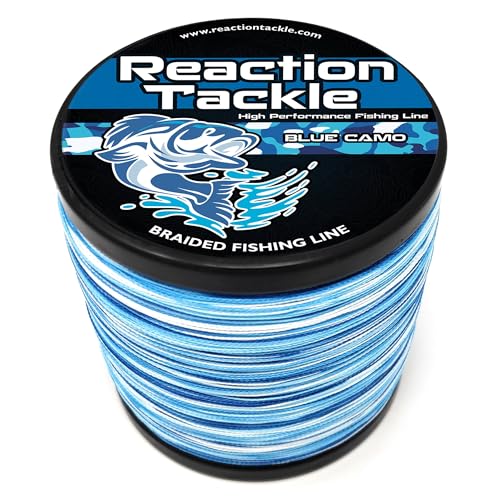
Understanding When to Replace Fishing Line and Key Signs to Watch
Fishing line is a crucial component of any angler’s gear, affecting not just the success of your fishing trips but also safety while on the water. Knowing when to replace your fishing line can prevent unexpected breakages and ensure you’re always ready to reel in that big catch. Key signs that indicate it may be time for a replacement include visible fraying, discoloration, and decreased elasticity.
Regularly monitoring your fishing line can save you time and frustration. Establishing a replacement schedule based on usage frequency and environmental conditions can also help maintain optimal performance. Here’s a comprehensive guide to understanding when and how to replace fishing line.
Disclosure: As an Amazon Associate I earn from qualifying purchases at no cost for you.

- Durable Construction: Made with high-quality materials for long-lasting use. Weather-res…
- High Visibility Design: Features bold colors and clear text that deliver an immediate vi…
- Easy Installation: Equipped with four pre-drilled holes and rounded corners for quick an…
Why This Matters
Fishing line degradation can significantly impact your fishing experience. Old or damaged line can lead to lost catches, equipment failure, and even unsafe situations if the line snaps unexpectedly. By replacing your fishing line regularly, you ensure that your tackle remains effective and safe.
Furthermore, environmental factors such as UV exposure, saltwater, and abrasion from rocks or debris can accelerate wear and tear on fishing lines. Understanding these factors can help you make informed decisions about when to replace your line.
Key Benefits
Replacing fishing line regularly comes with several benefits. First, it ensures better casting distance and accuracy, as a fresh line is more prone to perform well under tension. Second, newer lines tend to have improved knot strength, which is crucial for securing hooks and lures.
Additionally, using a fresh line can enhance your overall fishing experience, allowing you to focus more on the catch rather than worrying about whether your line will hold. This peace of mind is invaluable during a fishing trip.
Common Drawbacks & Limitations
- Durable Construction: Made with high-quality materials for long-lasting use. Weather-res…
- High Visibility Design: Features bold colors and clear text that deliver an immediate vi…
- Easy Installation: Equipped with four pre-drilled holes and rounded corners for quick an…
While replacing fishing line is essential, it does come with some drawbacks. Regularly changing your line can be time-consuming, especially if you fish frequently. Additionally, some anglers may find the cost of high-quality lines adds up over time.
Another limitation is the potential for over-replacement. Anglers might be tempted to change lines too frequently out of caution, which could lead to unnecessary expenditures. It’s important to find a balance between maintaining your gear and managing costs effectively.
What to Look For (Buyer’s Checklist)
When selecting a new fishing line, consider the following factors:
- Type of Line: Different types, such as monofilament, fluorocarbon, and braided lines, have unique properties suited for various fishing conditions.
- Strength and Sensitivity: Ensure the line has the appropriate strength for the types of fish you’re targeting.
- Diameter: Thinner lines can improve casting distance but may also be less durable.
- UV Resistance: Look for lines designed to withstand UV exposure, especially for outdoor use.
- Ease of Knotting: A line that knots well can save you time and frustration on the water.
How to Choose for Your Situation
Choosing the right fishing line depends on various factors, including the type of fishing you do, the species you target, and the conditions you fish in. For freshwater fishing, a monofilament line may be ideal due to its versatility and ease of use. In contrast, saltwater fishing often requires a braided line for its strength and resistance to corrosion.
Consider the environment as well. If you frequently fish in areas with heavy cover, a stronger, abrasion-resistant line is advisable. Always match the line type with your rod and reel specifications for optimal performance.
Care, Safety, and Longevity Tips
To extend the life of your fishing line, store it properly when not in use. Keep it out of direct sunlight to prevent UV damage, and avoid storing it in damp conditions. Rinse your line with fresh water after fishing in saltwater to prevent corrosion.
Regularly inspect your line for signs of wear, such as fraying or discoloration. If you notice any damage, it’s best to replace the line before your next fishing trip. Additionally, use appropriate knots to ensure your line is securely attached to your hooks or lures.
Recommended Picks
When considering fishing line products, look for options that are known for their durability and performance. For example, a high-quality monofilament line is a great choice for beginners due to its affordability and ease of use.
For seasoned anglers, a premium braided line offers superior strength and sensitivity, making it ideal for catching larger fish. Additionally, consider a fluorocarbon line for its invisibility underwater, which can be beneficial in clear water conditions.
Signs that indicate the need for replacement can also be complemented by visual aids. Consider using signage, like the “Attention Please Help keep our Waterways Tangle-Free” sign, to remind fellow anglers to recycle used fishing line responsibly. These signs can be placed in local fishing spots to promote awareness and environmental care.
FAQ
1. How often should I replace my fishing line?
It depends on usage, but a good rule of thumb is to replace monofilament lines every season and braided lines every couple of years.
2. What are the signs that my fishing line needs replacement?
Look for fraying, discoloration, loss of elasticity, or if the line feels rough to the touch.
3. Can I re-spool old fishing line?
While it is possible, it is generally better to replace old line to ensure optimal performance and safety.
4. Does the type of fishing affect line replacement frequency?
Yes, different types of fishing and conditions can affect wear and tear, requiring more frequent replacements in harsher environments.
5. Is it necessary to use a sign to indicate fishing line disposal?
While not necessary, signs can help raise awareness about proper disposal and recycling practices, promoting environmental responsibility among anglers.

- Durable and Long-Lasting Quality – Crafted from premium rust-free aluminum, our signs ar…
- Weather-Resistant, No Fading – Designed to endure the harshest weather conditions, the g…
- Easy Installation with Pre-Drilled Holes – Each sign comes with four pre-drilled holes, …
Conclusion
Understanding when to replace your fishing line is essential for any angler looking to enhance their fishing experience. By recognizing the signs of wear and establishing a replacement schedule, you can ensure that your gear remains in top condition. Remember to choose the right type of line for your fishing style and environment, and consider using signage to promote responsible fishing practices in your community. With proper care and attention, your fishing line will serve you well on countless adventures.
Popular Picks to Compare
- Durable Construction: Made with high-quality materials for long-lasting use. Weather-res…
- High Visibility Design: Features bold colors and clear text that deliver an immediate vi…
- Easy Installation: Equipped with four pre-drilled holes and rounded corners for quick an…

- Durable and Long-Lasting Quality – Crafted from premium rust-free aluminum, our signs ar…
- Weather-Resistant, No Fading – Designed to endure the harshest weather conditions, the g…
- Easy Installation with Pre-Drilled Holes – Each sign comes with four pre-drilled holes, …

- Charming Design: Features a cute black bear holding a “Gone Fishing” sign—adds personali…
- Versatile Placement: Suitable for both indoor and outdoor use—great for gardens, patios,…
- Durable Resin Build: Built to withstand the elements with weather-resistant construction…