
How to Cast a Fly Rod for Beginners: A Step-by-Step Approach
Learning how to cast a fly rod can be an exciting journey into the world of fly fishing. By following this guide, you will master the basics of fly casting, allowing you to enjoy the serenity of fishing while honing your skills. Remember, safety is paramount; always wear sunglasses to protect your eyes and ensure that the area around you is clear of obstacles and other anglers before casting.
Disclosure: As an Amazon Associate I earn from qualifying purchases at no cost for you.

What You’ll Need
To get started with fly casting, you will need the following equipment:
- A fly rod suitable for beginners, such as the Redington Form Game Fly Rod, which includes a practice guide.
- A matching fly reel and line to ensure smooth casting.
- A selection of flies appropriate for your target fish species.
- Protective eyewear to shield your eyes from hooks and the sun.
- A comfortable outdoor space, preferably near water, for practicing your casting.
Step-by-Step
- Grip the Rod: Hold the fly rod with your dominant hand, making sure to grasp it firmly but not too tightly. Your index finger should rest along the rod’s blank for better control.
- Prepare the Line: Pull out about 6-8 feet of line and hold it with your other hand. The line should be straight with no tangles, extending past the tip of the rod.
- Start with the Backcast: Raise the rod smoothly behind you at an angle of about 45 degrees. Use your wrist to flick the rod tip, allowing the line to flow back. This motion should be smooth and controlled.
- Pause and Observe: After the line has fully extended behind you, pause for a moment. This allows the line to load the rod, preparing it for the forward cast.
- Execute the Forward Cast: Bring the rod forward in a smooth motion, again at a 45-degree angle. Your wrist should be involved in the motion, and the tip should stop abruptly at the end of the cast to allow the line to unroll.
- Land the Fly: Aim to gently place the fly on the water’s surface. The line should have a slight curve to ensure the fly lands softly without spooking fish.
- Retrieve the Line: As you prepare for another cast, reel in the line to maintain tension and keep the fly in the desired fishing zone.
- Repeat: Practice the above steps repeatedly, focusing on your timing and rhythm to improve your casting distance and accuracy.
Pro Tips for Better Results
To enhance your casting skills, consider these pro tips:
- Practice in an open area without obstacles to avoid tangles and snags.
- Focus on your wrist motion rather than using your whole arm for better control.
- Watch instructional videos or attend a local workshop to learn from experienced anglers.
- Be patient and practice regularly to build muscle memory and improve your technique.
- Use a practice rod, like the Aventik 4’0” Practice Fly Rod, to refine your skills without the pressure of catching fish.
Common Mistakes
Beginners often make several common mistakes when learning to cast a fly rod:
- Overusing their arms instead of incorporating wrist motion, leading to fatigue and poor accuracy.
- Failing to pause between the backcast and forward cast, resulting in a lack of control.
- Not keeping enough line out during practice, which can limit casting distance.
- Casting too hard, which can lead to tangles and a loss of control over the line.
- Ignoring the importance of a smooth and gradual motion, which is crucial for effective casting.
Troubleshooting
If you encounter issues while casting, consider the following troubleshooting tips:
- If your line is tangling, check for any knots or kinks in the line, and ensure you’re using smooth, controlled motions.
- If your fly isn’t landing where you want it, adjust your aim and practice your timing during the forward cast.
- If you notice a lack of distance, ensure you are properly loading the rod by pausing adequately during the backcast.
- If your casts feel erratic, focus on maintaining a consistent rhythm and avoid rushing through the motions.
- If you are experiencing fatigue, take breaks to rest your arm and hand, ensuring you maintain comfort throughout your practice.
Maintenance / Next-Time Checklist
To ensure your fly rod and gear remain in good condition:
- Inspect your line for any damages or frays before each use.
- Clean your rod and reel after each fishing trip to prevent corrosion and wear.
- Store your rod in a protective case to avoid damage during transport.
- Check your flies for sharpness and replace any that are damaged or dull.
- Review your casting technique regularly to identify areas for improvement.
Recommended Products & Tools
Here are some products that can help you on your fly casting journey:
- The Redington Form Game Fly Rod is ideal for beginners, providing a practical guide to improve your technique.
- The Aventik 4’0” Practice Fly Rod is designed for ease of use, allowing you to practice without the need for a separate leader.
- The QualyQualy Tenkara Fly Rod Combo offers a lightweight option with everything you need for a successful fishing trip.
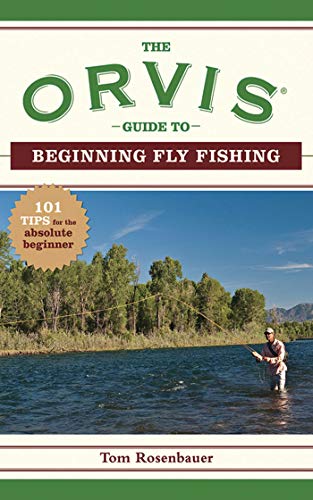
- The Orvis Guide to Beginning Fly Fishing provides valuable tips and insights for novice anglers.
- The Fly Fishing for Beginners book is a comprehensive guide covering casting techniques, gear, and fish handling.
FAQ
1. How long does it take to learn to cast a fly rod?
It varies by individual, but with regular practice, most beginners can become proficient within a few weeks.
2. What type of fly rod should I start with?
A medium-action rod is generally recommended for beginners, as it provides a good balance between flexibility and strength.
3. Do I need to learn different casting techniques?
Yes, mastering various techniques like roll casts and double hauls can enhance your casting effectiveness and adaptability.
4. Is fly fishing suitable for all ages?
Yes, fly fishing can be enjoyed by people of all ages, making it a great family activity.
5. Can I practice casting without going fishing?
Absolutely! Many anglers practice casting in their backyards or local parks to refine their skills before hitting the water.

Wrap-Up
By following this step-by-step guide, you are well on your way to mastering the art of fly casting. Remember to practice regularly, stay patient with your progress, and use the recommended tools to enhance your experience. Enjoy the tranquility of fly fishing and the thrill of catching fish as you develop your skills.
Recommended Products & Tools


- Integrated Fly Line & Leader – Integrated design removes the need for a separate leader,…
- Carbon Fiber Blank Performance – Strong carbon fiber blank absorbs vibrations and delive…
- Ergonomic Cork Handle – Ergonomic cork handle offers comfort and a secure grip, reducing…

- READY TO GO TENKARA:Tenkara is the ideal setup for anyone looking for an intuitive and f…
- Telescopic Tenkara Fishing Rod: 2 length of rods from 10.5ft to 11.5ft to meet the need …
- Lightweight & Compact Kit:The fly Fishing bag engineered with heavy-duty zippers and buc…

- Casting Practice and Form Improvement: The Form Game Rod offers beginners and veteran fl…
- Portable and Convenient Design: This practice fly rod can easily be broken down and thro…
- Custom Weighted Fly Line Included: The practice rod comes with its own custom tapered RI…

