
A Comprehensive Guide to Weight Forward vs Double Taper Fly Lines
When it comes to fly fishing, choosing the right fly line is crucial for successful casting and presentation. Weight forward and double taper fly lines are two popular options, each catering to different fishing styles and conditions. Weight forward lines are designed for quick loading and distance casting, while double taper lines offer versatility and delicacy for precise presentations.
Disclosure: As an Amazon Associate I earn from qualifying purchases at no cost for you.

- Features the revolutionary AST Plus slickness additive for superior shooting ability and…
- Excels in medium-to-long distances with dry flies and smaller nymphs; wonderful on glass…
- For use in moderate and cold climates
This guide will explore the differences between weight forward and double taper fly lines, helping you understand their unique features and benefits to make an informed decision for your next fishing adventure.
Why This Matters
The choice between weight forward and double taper fly lines can significantly impact your fishing experience. Understanding how each line performs in various scenarios will enhance your ability to present flies effectively. This knowledge is particularly important for targeting specific species or fishing in diverse environments.
Using the right fly line can improve your casting accuracy, reduce fatigue, and increase your chances of landing fish. Whether you’re a beginner or an experienced angler, knowing the strengths and weaknesses of each type of line is essential for success on the water.
Key Benefits
Weight forward fly lines excel in distance casting and are ideal for situations where you need to cover a lot of water quickly. They feature a heavier front section that allows for easier loading of the rod, making them perfect for larger flies and windy conditions.
On the other hand, double taper fly lines are versatile and provide a more delicate presentation, which is crucial when fishing for skittish fish. The symmetrical taper on both ends allows for easy line reversal and enhances casting accuracy. This makes them suitable for small flies and precise presentations, especially in calm conditions.
Common Drawbacks & Limitations
- Features the revolutionary AST Plus slickness additive for superior shooting ability and…
- Excels in medium-to-long distances with dry flies and smaller nymphs; wonderful on glass…
- For use in moderate and cold climates
Weight forward lines can be challenging to use for delicate presentations, as their design prioritizes distance over finesse. They may spook fish in calm waters where a gentle landing is required. Additionally, they may not perform as well in close-range casting situations.
Double taper lines, while excellent for precision, can struggle in windy conditions or when casting larger flies. Their design may limit the distance you can achieve compared to weight forward lines, making them less versatile in certain scenarios.
What to Look For (Buyer’s Checklist)
When choosing between weight forward and double taper fly lines, consider the following factors:
- Type of Fishing: Assess the conditions and species you are targeting.
- Line Weight: Ensure it matches your rod specifications for optimal performance.
- Length: Standard lines are typically 90 feet long; consider your casting style.
- Construction Material: Look for braided multifilament cores for durability and low memory.
- Additional Features: Features like welded loops can enhance usability and convenience.
How to Choose for Your Situation
Your choice should depend on the specific fishing scenario you anticipate. If you plan to fish in windy conditions or use larger flies, a weight forward line would be more beneficial. Conversely, if you’re focusing on finesse and targeting wary fish with small flies, a double taper line would be the superior choice.
Consider the type of water you will be fishing in, whether it’s still or flowing, and the species you aim to catch. For varied conditions, having both types of lines in your arsenal can provide flexibility and improve your overall fishing experience.
Care, Safety, and Longevity Tips
To extend the life of your fly line, store it properly by keeping it clean and dry. Avoid exposing it to extreme temperatures, which can damage the material. Regularly inspect your line for nicks or abrasions that could affect performance.
When using your fly line, ensure that you’re using the appropriate backing and leader to prevent breakage. Properly rinse your line after fishing in saltwater to remove any residues that could degrade the material over time.
Recommended Picks
For those interested in double taper lines, the Scientific Anglers Amplitude Smooth Double Taper Fly Line is an excellent choice. It features a slickness additive that enhances shooting ability and durability, making it suitable for medium-to-long distances with dry flies and smaller nymphs.
The Maxcatch Troutlite Double Taper Floating Fly Line is another great option, offering easy casting and a symmetrical taper that allows for line reversal, enhancing longevity and performance.
For weight forward lines, the Premier Lightline Double Taper Fly Line is a solid pick, designed for floating and recommended for various fly fishing scenarios. Cortland 333 Classic Double Taper Fly Line is also noteworthy, providing high-floating capabilities and a supple design for better casting.
FAQ
1. What is the main difference between weight forward and double taper fly lines?
Weight forward lines have a heavier front section for distance casting, while double taper lines are symmetrical and designed for delicate presentations.
2. Can I use a weight forward line for all types of fly fishing?
While weight forward lines excel in many scenarios, they may not be ideal for situations requiring finesse and delicate presentations.
3. How do I know what line weight to choose?
Choose a line weight that matches your fly rod’s specifications for optimal performance and casting efficiency.
4. Are double taper lines better for beginners?
Double taper lines can be easier for beginners as they offer more control and precision during casting.
5. How often should I clean my fly line?
It’s recommended to clean your fly line regularly, especially after fishing in saltwater or after extended use, to maintain its performance.

- DOUBLE TAPER DESIGN: The Trout LT(Light Touch) DT fly line features symmetrical taper on…
- FLOATING PERFORMANCE: PVC layer outside the braided line is a high-tech coating allowing…
- LENGTH AND WEIGHT: 90-foot floating fly line available in multiple weight ratings from D…
Conclusion
Understanding the differences between weight forward and double taper fly lines is essential for any angler looking to enhance their fishing experience. Each type of line offers unique benefits suited to different fishing situations. By considering your fishing style, conditions, and the species you target, you can make an informed choice that will improve your casting and presentation, ultimately leading to more successful fishing outings.
Popular Picks to Compare
- Features the revolutionary AST Plus slickness additive for superior shooting ability and…
- Excels in medium-to-long distances with dry flies and smaller nymphs; wonderful on glass…
- For use in moderate and cold climates
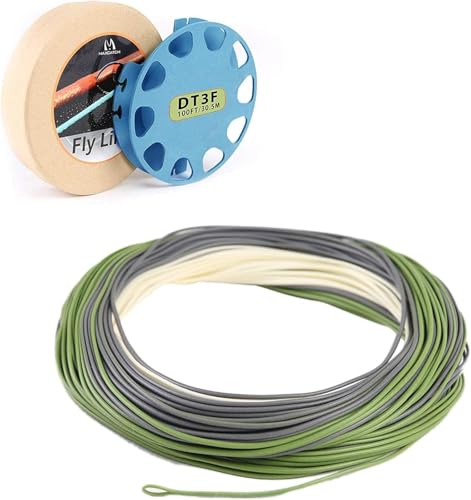
- DOUBLE TAPER DESIGN: The Trout LT(Light Touch) DT fly line features symmetrical taper on…
- FLOATING PERFORMANCE: PVC layer outside the braided line is a high-tech coating allowing…
- LENGTH AND WEIGHT: 90-foot floating fly line available in multiple weight ratings from D…

- Fly Line Weight: 8wt
- Fly Line Style: weight-forward
- Fly Line Type: floating

- High-Floating
- Double Taper
- Supple

- All-around trout fly line
- Versatile taper excels with most flies and conditions
- Excels in all weather conditions

