Understanding Wading Boot Soles: Felt vs Rubber vs Studded
Choosing the right wading boot sole is essential for maximizing your safety and performance while fishing or navigating aquatic environments. The primary options available are felt, rubber, and studded soles, each designed for specific conditions and types of traction. Understanding the differences between these materials can help you make an informed decision that best suits your needs.
Disclosure: As an Amazon Associate I earn from qualifying purchases at no cost for you.

- Compatible with Korkers OmniTrax 3.0 Interchangeable Sole System
- Same sole as Kling-On with 26 carbide-tipped studs per pair
- Soles easily snap into place even while standing
Felt soles provide excellent grip on slippery surfaces, making them a favorite among anglers who often wade through rivers and streams. Rubber soles offer versatility and durability, while studded options enhance traction on slick surfaces. The choice ultimately depends on your fishing environment and personal preferences.
Why This Matters
Wading boots are a crucial component of your fishing gear, as they protect your feet and provide stability in challenging conditions. The right sole can prevent slips and falls, ensuring you stay safe while navigating rocky riverbeds or muddy banks. Understanding the advantages and disadvantages of each type of sole can significantly impact your overall fishing experience.
Key Benefits
Felt soles are renowned for their superior grip on wet and slippery surfaces. They effectively conform to the contours of the ground, allowing for excellent traction on mossy rocks and muddy riverbanks. Rubber soles, on the other hand, are more versatile and can be used in a variety of conditions, including both wet and dry environments.
Studded soles enhance traction even further, providing increased grip in particularly slippery conditions. For example, the Korkers OmniTrax v3.0 Studded Felt Fishing Boots Sole features carbide-tipped studs that improve stability, making it easier to maintain balance while fishing in fast-moving water.
Common Drawbacks & Limitations
- Compatible with Korkers OmniTrax 3.0 Interchangeable Sole System
- Same sole as Kling-On with 26 carbide-tipped studs per pair
- Soles easily snap into place even while standing
While felt soles offer exceptional traction, they can retain water and take longer to dry, which may lead to the spread of invasive species if not properly maintained. Additionally, some areas have regulations against felt soles due to environmental concerns. Rubber soles, though versatile, may not provide the same level of grip on slick rocks as felt options.
Studded soles, while providing superior traction, can sometimes be cumbersome and may require additional maintenance. They can also wear down over time, necessitating replacements to maintain optimal performance.
What to Look For (Buyer’s Checklist)
When choosing wading boots, consider the following factors:
- Traction: Look for soles that provide the grip needed for your typical fishing environments.
- Material: Evaluate whether felt, rubber, or studded soles best suit your needs based on your usual conditions.
- Compatibility: Ensure the soles are compatible with your existing wading boots if you opt for interchangeable soles.
- Weight: Lighter boots can reduce fatigue during long days on the water.
- Durability: Assess the materials used in construction to ensure longevity.
How to Choose for Your Situation
Your choice of wading boot sole should align with the specific conditions you frequently encounter. If you’re fishing in rivers with slippery rocks, felt soles may be the best option. For varied terrain or mixed conditions, rubber soles provide versatility.
If you often face particularly slippery surfaces, studded soles can enhance your safety and stability significantly. Additionally, consider the local regulations regarding sole materials before making a decision.
Care, Safety, and Longevity Tips
To extend the life of your wading boots, especially those with felt soles, ensure that you rinse them thoroughly after each use to remove debris and contaminants. Allow them to dry completely before storing to prevent mold and mildew.
For rubber and studded soles, regularly check for wear and replace any worn studs to maintain traction. Always be mindful of your surroundings and practice safe wading techniques to avoid accidents.
Recommended Picks
For those prioritizing grip on slippery surfaces, the Paramount Outdoors Stonefly Felt Sole Wading Shoe is an excellent choice, offering recessed stud insert points for enhanced traction. If you’re looking for versatility, the Korkers Greenback Wading Boots come with interchangeable felt and rubber soles, allowing you to adapt to different environments easily.
For added traction in challenging conditions, the Korkers OmniTrax v3.0 Studded Felt Fishing Boots Sole is ideal, featuring carbide-tipped studs that enhance stability. Additionally, consider adding screw-in studs from brands like Mengudig or Kylebooker for extra grip on both rubber and felt soles.
FAQ
1. Can I use felt soles in all areas?
Some regions have restrictions on felt soles due to environmental concerns, so it’s essential to check local regulations.
2. How do I maintain my wading boots?
Rinse them after each use, dry them thoroughly, and inspect for any signs of wear or damage.
3. Are studded soles worth it?
Studded soles can provide extra grip in slippery conditions, making them a worthwhile investment for frequent anglers.
4. How often should I replace wading boot soles?
Replace soles when you notice significant wear or loss of traction, especially if you frequently fish in challenging conditions.
5. Can I mix and match soles on my wading boots?
Many brands offer interchangeable soles, allowing you to customize your boots based on the conditions you’ll face.

- Superior Traction on Slippery River Bottoms: Say goodbye to slipping on moss-covered roc…
- Durable Carbon Steel & Hard Alloy Construction: Made from a combination of carbon steel …
- Complete 30-Piece Kit with Installation Tool: Includes 30 carbon steel/carbide studs and…
Conclusion
Understanding the differences between felt, rubber, and studded wading boot soles is crucial for ensuring safety and performance while fishing. Each type of sole has its advantages and limitations, so consider your specific needs and the environments you typically encounter. By selecting the appropriate sole and maintaining your gear, you can enhance your wading experience and focus on what you enjoy most—fishing.
Popular Picks to Compare
- Compatible with Korkers OmniTrax 3.0 Interchangeable Sole System
- Same sole as Kling-On with 26 carbide-tipped studs per pair
- Soles easily snap into place even while standing
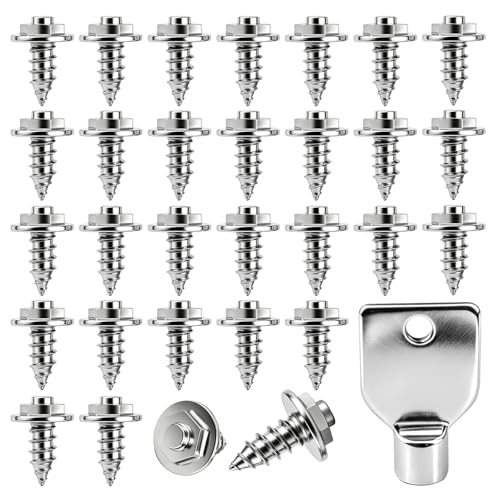
- Superior Traction on Slippery River Bottoms: Say goodbye to slipping on moss-covered roc…
- Durable Carbon Steel & Hard Alloy Construction: Made from a combination of carbon steel …
- Complete 30-Piece Kit with Installation Tool: Includes 30 carbon steel/carbide studs and…
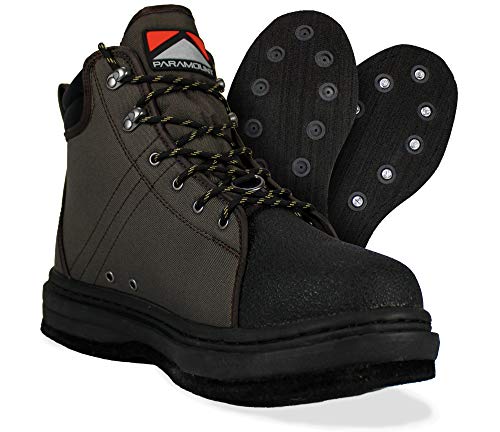
- Felt outsole with recessed stud insert points for maximum traction in moving water, on s…
- Steel wading studs are included with the Stonefly felt wading shoe which can be worn wit…
- Reinforced Rock Jam toe cap combined with the stiff midsole give this wading boot lastin…

- SUPERIOR TRACTION: Our wading studs feature a durable and aggressive design, ensuring ex…
- HIGH-QUALITY CONTRUCTION: Crafted from premium-grade materials, our wading studs are bui…
- EASY INSTALLATION: Installing our wading studs is a breeze. They come with a tool and 26…

- Traction: OmniTrax Interchangeable Sole System for customized traction on the fly
- Closure System: Quick Cinch laces provide quick and secure custom fit
- Fast Drying: Hydrophobic materials mean faster dry times which lessen the chance of spre…