
Master Fly Fishing Techniques
Elevate your fly fishing skills with expert tips.
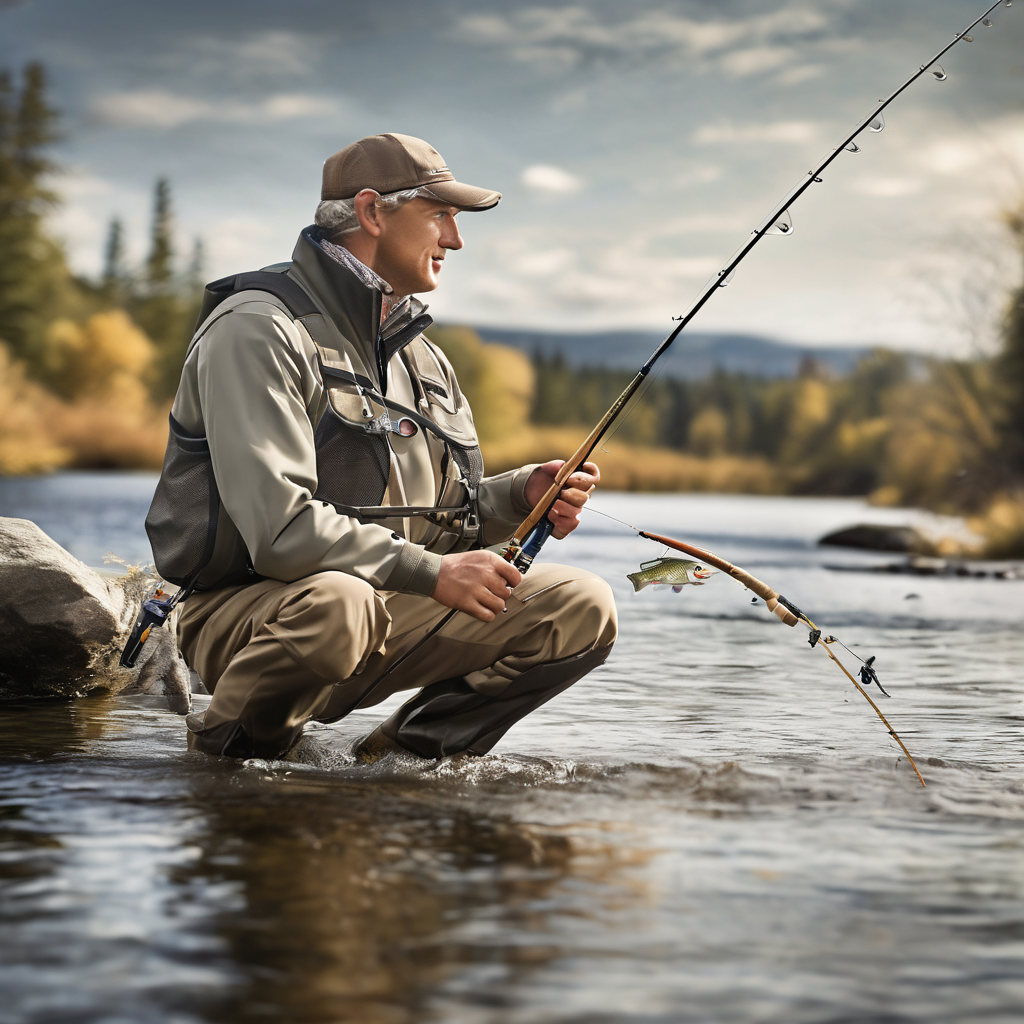
Related Topics
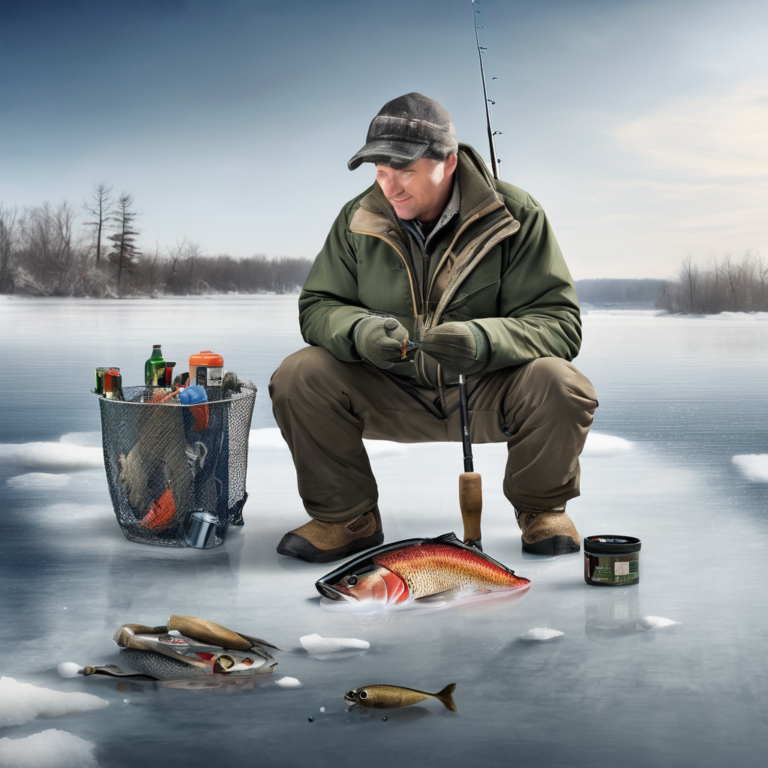
Ice Fishing Essentials
Top Picks
Want product options first? Jump to our picks—then come back for the deeper guides.
Latest Guides
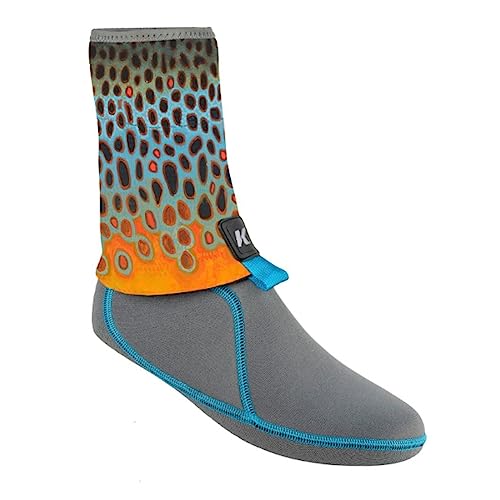
Sizing Wading Boots with Neoprene Socks: A Practical Guide
Choosing the right size for your wading boots when wearing neoprene socks is crucial for comfort and performance during your fishing adventures. This guide…

Step-by-Step Guide to Tying a Dry Dropper Rig
In this guide, you will learn how to tie a dry dropper rig, a highly effective setup for catching fish that feed both on…
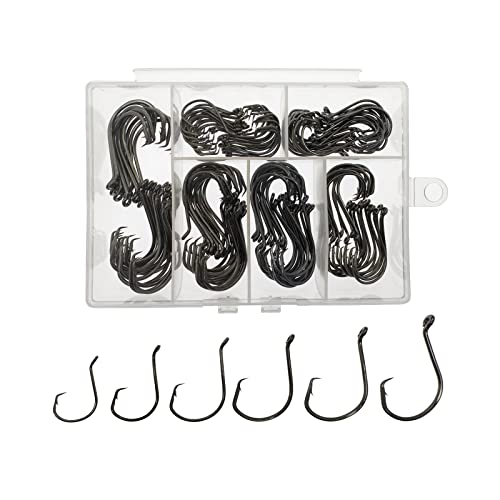
Mastering the Art of Snelling Hooks for Catfish Fishing
Snelling a hook is a vital skill for catfish anglers, enhancing your chances of landing these strong fish. This technique allows for a secure…

Wiring a Fish Finder to a Portable Battery: A Step-by-Step Guide
Wiring a fish finder to a portable battery is a straightforward process that allows you to use your fish finder in various fishing environments…
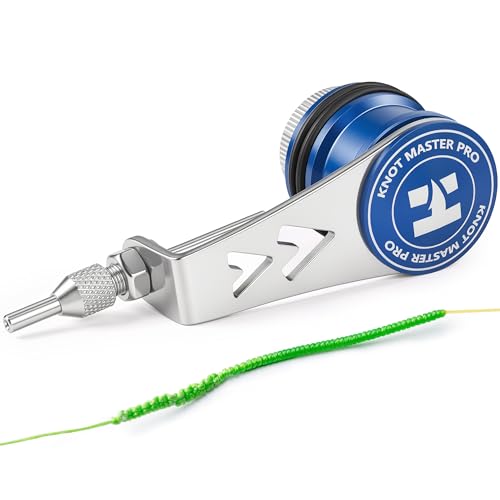
Tying the FG Knot for Braid to Fluorocarbon Leaders
In this guide, you will learn how to tie the FG knot, an essential skill for creating strong connections between braided lines and fluorocarbon…

Setting Up an Effective Indicator Nymph Rig
Setting up an indicator nymph rig can significantly enhance your fly fishing experience by allowing you to effectively target fish in various water conditions.…

Mastering Ice Fishing Flasher Settings for Better Results
Using an ice fishing flasher can significantly enhance your fishing experience, allowing you to locate fish more efficiently and understand their behavior under the…
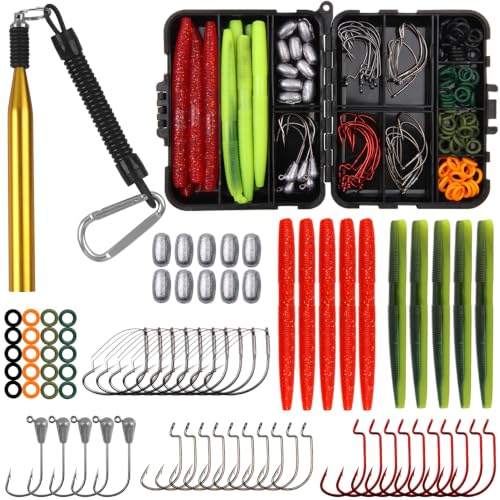
Mastering the Texas Rig: A Clean and Weedless Approach
Learning how to rig a Texas rig clean and weedless can significantly enhance your fishing experience. This technique allows you to present your bait…
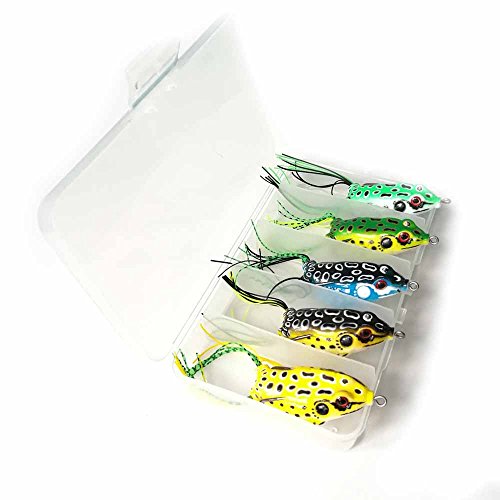
Mastering Topwater Bass Fishing: Timing and Cadence Tips
Fishing for bass using topwater techniques can be one of the most exciting experiences for anglers. Successfully mastering the timing and cadence of your…
Welcome to the world of fly fishing techniques! This sub-hub is dedicated to helping you improve your skills on the water. Whether you're a beginner or an experienced angler, we provide practical advice, in-depth guides, and expert insights to enhance your fly fishing experience. Discover the nuances of casting, line management, and selecting the right flies to ensure a successful outing.
Key highlights
- Learn essential casting techniques
- Understand insect hatches
- Master line management
- Choose the right gear
- Improve your catch rate
How to choose (and common mistakes)
Selecting the right fly for your fishing conditions is crucial. Start by observing the local insect life; identify what’s hatching and choose flies that mimic these insects. It’s common to overlook water clarity; in clear water, opt for subtle colors, while bright colors work better in murky conditions. Another mistake is not switching flies throughout the day as conditions change. Always carry a variety of patterns to adapt to the fish's preferences and local conditions. This flexibility can significantly increase your chances of success.
How We Choose & Recommend
Short, practical guidance first—then product picks when you are ready.
- We compare features and real-world use cases for Fly Fishing Techniques.
- We scan user feedback for patterns (not one-off opinions).
- We call out trade-offs so you can pick confidently.
FAQ
What is the best fly fishing rod length?
The ideal fly rod length typically ranges from 8 to 9 feet for most situations. Longer rods offer better line control and casting distance, while shorter rods are great for tight spaces. Consider the type of water you are fishing; for small streams, a shorter rod can be more effective. Always test different lengths to find what feels comfortable for you.
How do I read water for fly fishing?
Reading water involves identifying features like currents, eddies, and structure where fish might hide. Look for areas with slower current adjacent to faster water, as fish often rest there. Additionally, focus on spots with rocks or vegetation where insects may gather. Always approach quietly to avoid spooking fish, and cast upstream to allow your fly to drift naturally.
What types of flies should I carry?
It's essential to have a variety of flies in your tackle box. Carry dry flies, nymphs, and streamers to cover various fishing conditions. Dry flies are great for surface feeding, nymphs work well below the surface, and streamers mimic baitfish. Research local hatches to ensure you have the right patterns for your fishing destination. Regularly update your selection based on seasonal changes.
How can I improve my casting accuracy?
Improving casting accuracy requires practice and attention to technique. Focus on your wrist movement and keep your arm relaxed. Use a target on the water to aim for and practice casting at varying distances. Avoid overloading your rod; instead, use smooth, controlled movements. Record yourself to analyze your form, and adjust as needed for better precision.
What should I know about catch and release?
Catch and release is vital for preserving fish populations. Use barbless hooks to minimize injury, and handle fish with wet hands to protect their slime coating. When releasing, do so gently and avoid prolonged air exposure. Revive the fish in the water by holding it upright and moving it back and forth to ensure water flows over its gills. Adopt these practices to help maintain healthy fisheries.
⭐ Our Top 3 Best Fishing Gear

PLUSINNO Waterproof Sling Tackle Bag For Fishing Gear With Tackle Boxes & Rod Holder, Gifts for Men With Fishlures, Pliers, Fish Lip Gripper, Black Camo Fishing Backpack
Ultimate Waterproof & Comfortable Fishing Backpack: The PLUSINNO fishing backpac…
Versatile Fishing Bag for Fishing Gear: This fishing tackle backpack with rod holder is designed to hold all your fishing gear, including rods, tackle…
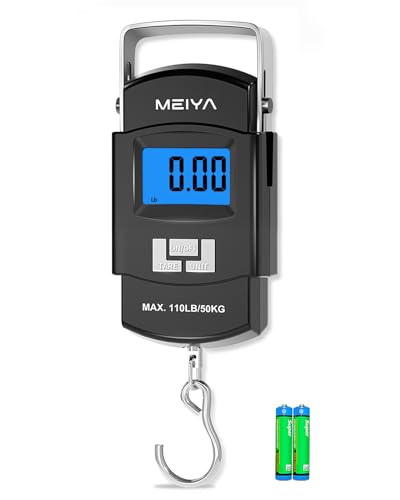
MEIYA Fish Scale 110lb/50kg Digital Fishing Scale with Backlit LCD, Portable Handle, Stainless Steel Hook & 2 AAA Batteries – Reliable Fishing Gear & Great Fishing Gifts for Men
Accurate & Reliable Performance: Weigh up to 110lb/50kg with confidence. This fi…
Compact & Travel-Ready: Lightweight and portable, this fishing accessories item fits easily into tackle boxes, backpacks, or carry-ons. A must-have fo…
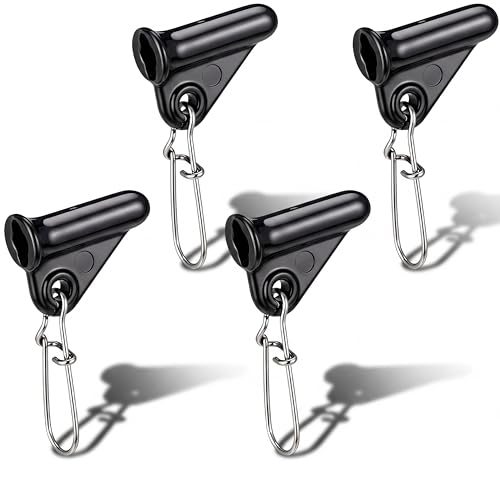
JolliLudo 8 Pcs Fishing Line Sinker Sliders with Slide Lock Rotating Swivel Fishing Sinker Weight Slide Sleeve Locking Clips Swivel Snap for Freshwater Saltwater Fider Rig Catfish Rig Black
Sufficient Quantity: this set of 8 black fishing lock clips provides multiple sp…
Compact Sinker Slides: measuring 1.5 inches, these compact sinker slides fit discreetly into float, lure, or bottom rigs; Their small size maintains s…
We hand-pick these based on real testing and reviews