
Understanding Fluorocarbon and Nylon Tippet for Trout Fishing
When it comes to trout fishing, choosing the right tippet material can significantly impact your success. Fluorocarbon and nylon tippets each offer unique advantages, making them suitable for different fishing scenarios. Fluorocarbon is often favored for its low visibility and faster sink rate, while nylon is appreciated for its stretch and ease of use.
Selecting between fluorocarbon and nylon tippets depends on various factors, including water conditions, fish behavior, and personal preferences. Understanding these materials will help you make informed decisions that enhance your fishing experience.
Disclosure: As an Amazon Associate I earn from qualifying purchases at no cost for you.

- 100% fluorocarbon for ultimate stealthy presentations
- supple for drag free drifts
- Length: 30m spools in all sizes
Why This Matters
The choice between fluorocarbon and nylon tippet is crucial for effective trout fishing. Fluorocarbon tippets are nearly invisible underwater, providing a stealthy approach that can lead to more bites, especially in clear water. On the other hand, nylon tippets offer excellent elasticity, which can help absorb the shock of a fish’s sudden movements, preventing break-offs during the fight.
Moreover, the right tippet can improve your presentation and overall fishing technique. Whether you’re nymphing, dry fly fishing, or using streamers, understanding the characteristics of each material can enhance your success rate.
Key Benefits
Fluorocarbon tippets have several notable benefits:
- Low visibility: Their refractive index is similar to that of water, making them less detectable to fish.
- Fast sink rate: Ideal for getting your flies down to the feeding zone quickly, especially in deeper waters.
- Durability: Generally more resistant to abrasion, which is beneficial when fishing around rocks or other obstacles.
Nylon tippets also have their advantages:
- Elasticity: The stretch in nylon helps absorb sudden pulls, which can prevent line breakage during intense fights.
- Ease of use: Nylon is often easier to knot and can be more forgiving when it comes to tying and retying.
- Affordability: Typically, nylon tippets are more cost-effective, making them a popular choice for beginner anglers.
Common Drawbacks & Limitations
- 100% fluorocarbon for ultimate stealthy presentations
- supple for drag free drifts
- Length: 30m spools in all sizes
While fluorocarbon tippets offer many benefits, they also have some drawbacks. They can be less forgiving than nylon in terms of elasticity, which may lead to more break-offs if not handled carefully. Additionally, fluorocarbon tends to be stiffer, which can affect the presentation of your flies, especially in calm waters.
Nylon tippets, while easier to use, can become more visible in clear water, reducing your chances of enticing cautious trout. They also absorb more water, which can lead to increased weight and reduced sink rate compared to fluorocarbon.
What to Look For (Buyer’s Checklist)
When selecting a tippet, consider the following factors:
- Material: Choose between fluorocarbon and nylon based on your fishing needs.
- Strength: Look for tippets that offer a good strength-to-diameter ratio to handle larger trout.
- Length: Tippets come in various lengths; consider what will work best for your fishing style.
- Visibility: For clear waters, opt for low-visibility options like fluorocarbon.
- Knot strength: Ensure the tippet can hold knots securely, as this impacts your overall success.
How to Choose for Your Situation
Choosing the right tippet for your fishing situation involves assessing several factors. If you are fishing in clear waters where trout are skittish, fluorocarbon is likely the better choice due to its invisibility. Conversely, if you are in murkier waters or using heavier flies, nylon may provide the elasticity needed to prevent break-offs.
Consider the type of fishing you will be doing as well. For nymphing, a fluorocarbon tippet can help your flies sink faster, while for dry fly fishing, a nylon tippet may offer better delicacy and presentation. Make your choice based on the specific conditions and the behavior of the fish you are targeting.
Care, Safety, and Longevity Tips
To ensure the longevity of your tippet, follow these care tips:
- Store properly: Keep tippets in a cool, dry place away from direct sunlight to prevent degradation.
- Check for abrasions: Regularly inspect your tippet for wear and replace it if you notice any significant damage.
- Use appropriate knots: Learn and practice strong knots to ensure your tippet holds under pressure.
Taking care of your tippet not only extends its life but also enhances your fishing experience.
Recommended Picks
For fluorocarbon options, the Scientific Anglers Absolute Fluorocarbon Trout Tippet is a great choice. It offers excellent stealth with its 100% fluorocarbon construction and is available in various sizes to meet your needs.
Another strong contender is the CORTLAND Ultra Premium Fluorocarbon Tippet, known for its balance of knot strength and durability, making it suitable for a variety of fishing styles.
If you prefer nylon, the SF Clear Monofilament Nylon Tippet provides a reliable and affordable option, with a good balance of elasticity and strength, ideal for beginners and experienced anglers alike.
FAQ
Q: Can I use fluorocarbon tippet for all types of fishing?
A: While fluorocarbon is versatile, it excels in clear water and when stealth is required. For heavy-duty applications or very fast-moving water, nylon may be preferable.
Q: How often should I change my tippet?
A: It’s advisable to check your tippet regularly for wear and replace it after several trips or if you notice significant damage.
Q: Is fluorocarbon more expensive than nylon?
A: Generally, fluorocarbon tippets tend to be more costly than nylon, reflecting their advanced materials and benefits.
Q: What knot should I use for tying tippet to leader?
A: The double surgeon’s knot is a popular choice for connecting tippet to leader, providing a strong and reliable connection.
Q: Can I mix fluorocarbon and nylon tippets in my setup?
A: Yes, many anglers mix materials depending on the specific needs of their fishing situation, using fluorocarbon for the terminal end and nylon for the leader.
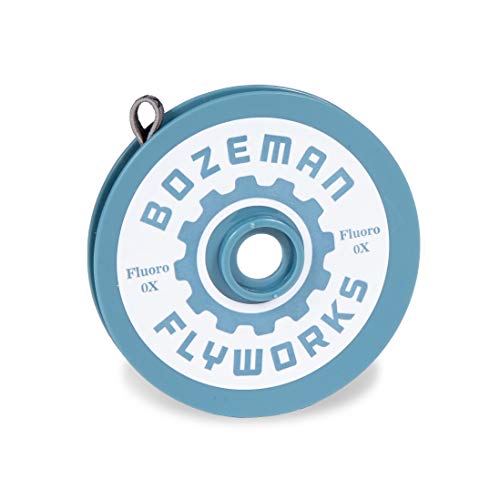
- 55 Yards of 100% pure fluorocarbon tippet (vs. 30 yards from competitors!)
- STRENGTH – nearly a 15% increase in strength vs. the nylon mono tippets
- Faster sink rate to get your dropper nymph or nymphs into that target eating zone
Conclusion
Understanding the differences between fluorocarbon and nylon tippets is essential for successful trout fishing. Each material has its strengths and weaknesses, making them suitable for different conditions and techniques. By considering your fishing environment, the type of trout you are targeting, and your personal preferences, you can select the right tippet to enhance your fishing experience. Whether you choose fluorocarbon for its stealth or nylon for its elasticity, having the right tippet can make all the difference on the water.
Popular Picks to Compare
- 100% fluorocarbon for ultimate stealthy presentations
- supple for drag free drifts
- Length: 30m spools in all sizes
- 55 Yards of 100% pure fluorocarbon tippet (vs. 30 yards from competitors!)
- STRENGTH – nearly a 15% increase in strength vs. the nylon mono tippets
- Faster sink rate to get your dropper nymph or nymphs into that target eating zone

- PERFECT BALANCE – The secret blend behind Cortland Ultra Premium Fluorocarbon Tippet ach…
- UNRIVALED RATIO – Within the world of tippet materials, Cortland's formula stands as a b…
- PLASMA FINISH – Ultra Premium Fluorocarbon Tippet goes beyond expectations with its inno…
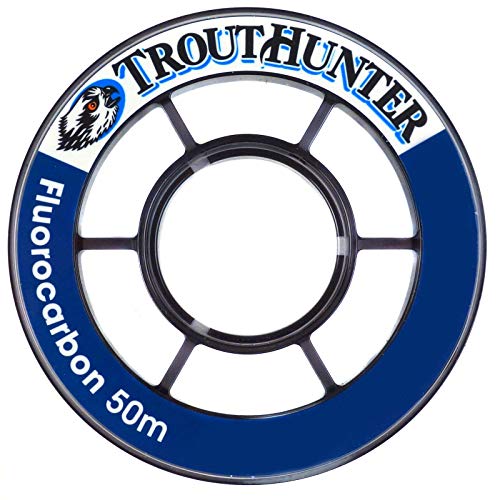
- Sizes: 0X-10X, 4.5, 5.5, 6.5
- 50 meter spool
- Nearly invisible due to low refractive index

- Length: 100M/110Yds,strong and durable.Small one fits nicely in any setup you have.
- Package: tippet lines with spool holder and clip
- Material: made of clear nylon, fishing tippet line high strength and light weight, is ea…

