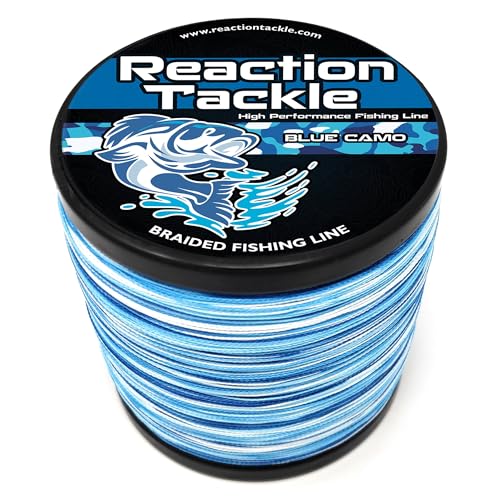
When to Use Braid, Fluorocarbon, and Mono Fishing Lines
Choosing the right fishing line is crucial for success on the water. Each type—braid, fluorocarbon, and monofilament—has its unique advantages and specific scenarios where it shines. Understanding these differences can greatly enhance your fishing experience.
Disclosure: As an Amazon Associate I earn from qualifying purchases at no cost for you.
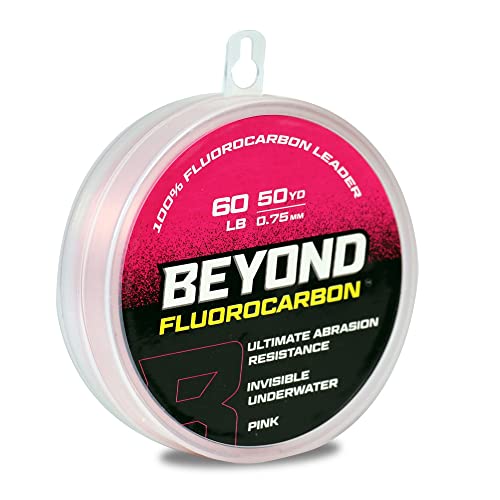
- PRO-ENDORSED QUALITY: Our 100% Fluorocarbon Leader Line is crafted from the best fluoroc…
- ULTIMATE ABRASION RESISTANCE: Tackle the toughest fishing conditions with ease. Beyond B…
- INVISIBLE LINE ADVANTAGE: Gain a competitive edge with our virtually invisible fluorocar…
Whether you are targeting bass in thick cover or fishing in open water for trout, knowing when to use each type of line will help you maximize your catch. This guide will walk you through the characteristics of each line type and help you make informed decisions for your fishing needs.
Why This Matters
Using the appropriate fishing line can significantly impact your overall fishing success. Each line type offers distinct properties that can affect your ability to cast, retrieve, and ultimately catch fish. Selecting the right line can help you adapt to varying conditions, target specific species, and improve your overall technique.
Additionally, understanding the strengths and weaknesses of braid, fluorocarbon, and mono lines can save you time and frustration on the water. This knowledge allows anglers to tackle different environments and fish behaviors more effectively.
Key Benefits
Braid, fluorocarbon, and monofilament lines each have unique advantages that cater to different fishing styles and conditions.
- Braid: Known for its exceptional strength and sensitivity, braid offers a small diameter that allows for increased casting distance. It is ideal for heavy cover situations, as its tough construction can withstand abrasion from rocks and vegetation.
- Fluorocarbon: This line is nearly invisible underwater, making it perfect for clear water situations where fish might be spooked. Its low stretch and high sensitivity allow for better hook sets, and it offers excellent abrasion resistance.
- Monofilament: Monofilament is versatile and easy to handle, making it a great choice for beginners. It has good buoyancy and stretch, which can help absorb shocks when fighting fish, and it is often used for topwater lures.
Common Drawbacks & Limitations
- PRO-ENDORSED QUALITY: Our 100% Fluorocarbon Leader Line is crafted from the best fluoroc…
- ULTIMATE ABRASION RESISTANCE: Tackle the toughest fishing conditions with ease. Beyond B…
- INVISIBLE LINE ADVANTAGE: Gain a competitive edge with our virtually invisible fluorocar…
While each line type has its benefits, they also come with certain drawbacks that anglers should consider.
- Braid: The low visibility of braid can be a disadvantage in clear water, as fish may be able to see the line. Additionally, it is more susceptible to wind knots, which can be frustrating.
- Fluorocarbon: Although fluorocarbon is strong, it can be less forgiving due to its low stretch, making it less ideal for certain types of fishing where shock absorption is necessary. It can also be more expensive compared to other lines.
- Monofilament: Monofilament tends to have higher visibility in water, which can deter fish. It is also more prone to UV degradation over time, which can weaken the line.
What to Look For (Buyer’s Checklist)
When selecting fishing lines, consider the following factors to ensure you choose the right one for your needs:
- Line Type: Decide between braid, fluorocarbon, and mono based on your fishing style and target species.
- Strength and Diameter: Check the line’s pound test and diameter to ensure it meets your fishing requirements.
- Visibility: Consider the water clarity and fish behavior to select a line color that minimizes detection.
- Stretch: Determine how much stretch you require for your fishing technique, as this can affect sensitivity and hook sets.
- Durability: Look for lines that offer abrasion resistance for the environments you fish in.
How to Choose for Your Situation
Your choice of fishing line should be influenced by various factors such as water conditions, target species, and fishing techniques.
- Use Braid: Opt for braid when fishing in heavy cover or when targeting species that require a strong and sensitive line. It’s also great for long casts in open water.
- Use Fluorocarbon: Choose fluorocarbon in clear water situations or when targeting line-shy fish. It is also suitable for deep-water fishing due to its sinking properties.
- Use Monofilament: Monofilament is a solid choice for beginners or when fishing topwater lures. It works well in various conditions and is easy to manage.
Care, Safety, and Longevity Tips
To ensure your fishing lines last and perform well, follow these care tips:
- Store Properly: Keep your lines in a cool, dry place away from direct sunlight to prevent UV damage.
- Inspect Regularly: Check for abrasions, knots, or wear before each fishing trip to prevent breakage.
- Change Lines Periodically: Replace lines regularly, especially if you fish frequently, as wear and tear can compromise performance.
Recommended Picks
When selecting fishing lines, consider the following products that have received positive feedback from anglers:
- Beyond Fluorocarbon 50 Yards Pink 10LB: This line is known for its superior performance and abrasion resistance, making it a reliable choice for various fishing conditions.
- High-Performance Braid: Look for braided lines that offer minimal stretch and high sensitivity for effective hook sets.
- Standard Monofilament: Opt for a versatile monofilament line that provides good buoyancy and ease of handling for topwater fishing.
FAQ
- What fishing line is best for beginners? Monofilament is often recommended for beginners due to its ease of handling and versatility.
- Can I use braid for all fishing situations? While braid is strong and sensitive, it may not be the best choice for clear water where fish can see the line.
- How often should I change my fishing line? It’s advisable to change your line at least once a season, or more frequently if you fish often.
- Is fluorocarbon worth the extra cost? Yes, fluorocarbon offers advantages in clarity and sensitivity, making it worth considering for certain fishing scenarios.
- Can I mix different types of lines on the same reel? While it’s possible, it’s generally better to stick to one type for consistency in performance.

- PRO-ENDORSED QUALITY: Our 100% Fluorocarbon Leader Line is crafted from the best fluoroc…
- ULTIMATE ABRASION RESISTANCE: Tackle the toughest fishing conditions with ease. Beyond B…
- INVISIBLE LINE ADVANTAGE: Gain a competitive edge with our virtually invisible fluorocar…
Conclusion
Understanding the differences between braid, fluorocarbon, and monofilament fishing lines is essential for any angler looking to improve their fishing success. Each line type offers unique benefits and challenges that can affect your fishing strategy.
By considering the specific conditions you’ll be fishing in and the type of fish you’re targeting, you can make an informed decision on which line to use. Remember to care for your lines properly to ensure longevity and optimal performance. Happy fishing!
Popular Picks to Compare
- PRO-ENDORSED QUALITY: Our 100% Fluorocarbon Leader Line is crafted from the best fluoroc…
- ULTIMATE ABRASION RESISTANCE: Tackle the toughest fishing conditions with ease. Beyond B…
- INVISIBLE LINE ADVANTAGE: Gain a competitive edge with our virtually invisible fluorocar…